Kaiser Hot Springs Arizona: Your Complete Guide to Desert Soaking Bliss
Field-verified hot spring guides for Utah, Nevada, and Arizona.
- August 14, 2026
- 7 mins
- Hot Springs
- arizona spring profile
Photo by Strange Happenings via Pexels
The appeal of kaiser hot springs arizona lies in its uncompromising authenticity. Unlike developed resort springs with chlorinated pools and gift shops, this thermal feature demands effort and rewards patience, offering bathers an unfiltered connection to the ancient geological forces that shaped the Colorado Plateau. For travelers seeking genuine solitude and the primal pleasure of mineral-rich water emerging directly from volcanic bedrock into a remote desert basin, Kaiser Hot Springs delivers an experience that commercial spas simply cannot replicate.
This guide serves as your definitive resource for planning a safe, rewarding visit to one of Arizona’s most isolated thermal treasures. Understanding the unique challenges and rewards of Kaiser Hot Springs before you arrive will transform a potentially frustrating journey into a profound wilderness experience.
Kaiser Hot Springs Arizona
Reaching kaiser hot springs arizona requires accepting that the destination remains deliberately unmaintained by design. The springs emerge along a fault line in a shallow canyon approximately 30 miles northeast of Kingman, fed by deep circulation of groundwater that absorbs geothermal heat and minerals before surfacing through fractured granite at roughly 104 degrees Fahrenheit. This temperature registers just below the threshold where extended soaking becomes uncomfortable, creating natural conditions that invite lingering.
The best time to visit Kaiser Hot Springs Arizona centers on the shoulder seasons of spring and fall, when daytime temperatures in the surrounding desert complement rather than overwhelm the thermal waters. March through May delivers blooming wildflowers across the basin while autumn months of October and November offer crystalline air and dramaticcloud formations. Summer visits remain technically possible but demand early morning arrivals to avoid dangerous heat exposure during the hike to the springs and late afternoon departure before darkness complicates the return journey.
Access difficulty defines the character of this experience more than any other factor. Expect a rough dirt road that deteriorates significantly after rainfall, followed by a cross-country hike of approximately one mile through Sonoran desert terrain lacking maintained trails. No signage marks the route, requiring navigation by topographic features and the kind of quiet attentiveness that experienced desert travelers develop over years. Those expecting wheelchair-accessible facilities or even a maintained parking area will find themselves profoundly misaligned with reality. This inaccessibility represents the feature, not a bug, preserving the springs as a genuine wilderness sanctuary for those willing to earn their soak.
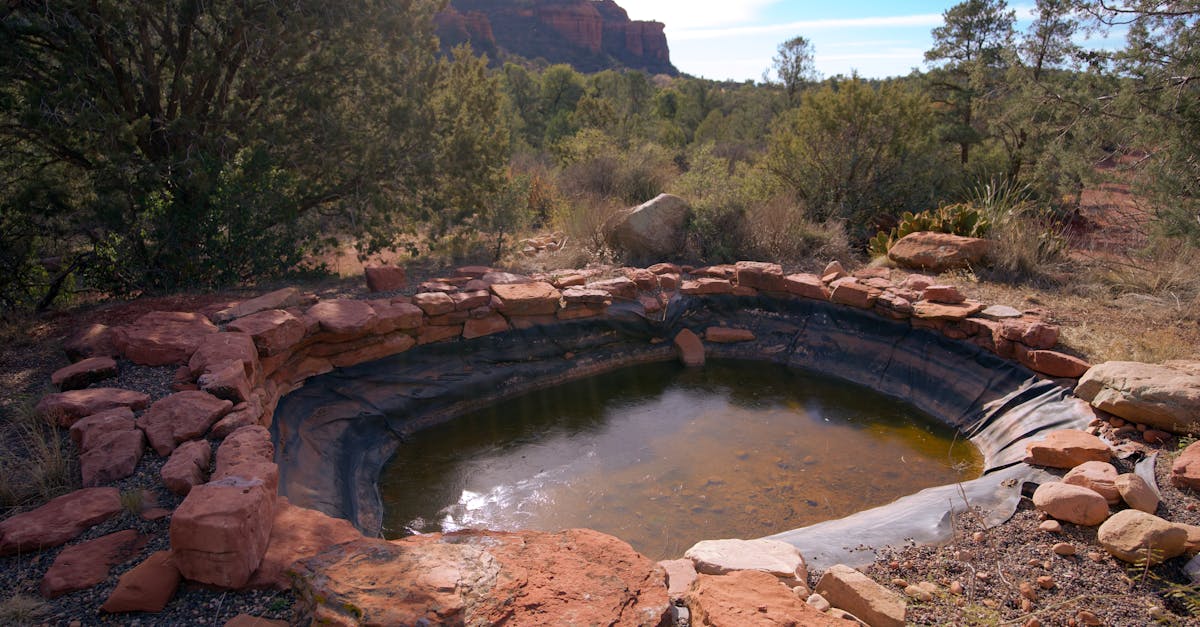
Special features distinguishing Kaiser Hot Springs include the mineral composition of the water, which carries distinct sulfur content creating that characteristic “rotten egg” aroma associated with geothermal features. The scent registers most strongly when the water first emerges from the rock and dissipates somewhat after extended exposure, though sensitive individuals may find it persistent. A shallow pool approximately six feet in diameter forms naturally where the spring exits, with deeper soaks possible in a secondary pool carved by generations of previous visitors. The surrounding canyon walls provide shelter from wind while opening to reveal expansive views of the Hualapai Mountains to the south and the Cerbat Range to the north.
What to Expect
The water at Kaiser Hot Springs Arizona emerges at temperatures that make immediate full-body submersion inadvisable. Bathers typically find comfort through a strategy of proximity: positioning themselves where hot spring water mingles with cooler groundwater seepage to achieve an optimal soaking temperature around 98 to 102 degrees. This natural temperature gradient allows for extended soaks lasting an hour or more without the thermal exhaustion that accompanies submersion in hotter springs.
Mineral content beyond sulfur includes traces of calcium, magnesium, and dissolved silica, depositing these elements on rocks and gravel surrounding the spring outlets. The water carries a slightly slick quality that softens skin during extended contact, a characteristic valued by indigenous peoples of the region for centuries before European settlement. Archaeological evidence suggests these springs served as gathering locations and healing sites for ancestral Native American communities, though documented historical accounts from the prospecting era of the 1800s remain sparse.
Facilities and amenities at Kaiser Hot Springs Arizona exist in the most minimal interpretation of those terms. No restrooms, no trash service, no picnic tables, no water faucets. What exists is raw geology and the occasional artifact of previous visitors: a smoothed rock placed as a seat, a fire ring constructed from accumulated basalt fragments, the faint remnants of flattened grass where many bodies have reclined. Those seeking spa amenities should redirect toward commercial operations in Sedona or Palm Springs. Those seeking authenticity will find exactly what they need.
Nearby attractions within reasonable driving distance include the Chloride Ghost Town, offering a glimpse of 19th-century silver mining culture with original buildings and a famously eccentric resident artist who paints the town’s street signs. The Hackberry General Store along Route 66 provides classic roadside Americana atmosphere with original signage and vintage automobiles scattered across the property. For those seeking additional soaking opportunities, the cooler waters of Truxton Canyon and the developed facilities at Grand Canyon Caverns offer contrasting thermal experiences within a two-hour radius.
Planning Your Visit
Directions to Kaiser Hot Springs Arizona require careful preparation before departure from urban conveniences. From Kingman, Arizona, travel north on U.S. Route 93 for approximately 20 miles before turning onto a series of increasingly primitive dirt roads. The route involves navigating by landmark rather than address, passing through working cattle ranchland and across Bureau of Land Management territory. Cell phone service disappears approximately 15 miles from town, making physical maps and downloaded GPS coordinates essential rather than optional. The final approach involves crossing a shallow wash that may become impassable during monsoonal storms from July through September, requiring flexible scheduling and weather awareness.
What to bring transcends the typical packing list for developed destinations. Essential items include at least one gallon of water per person for the round-trip hike, high-energy snacks, sun protection including wide-brimmed hats and mineral-based sunscreen, sturdy closed-toe footwear capable of handling rocky terrain, and a headlamp even if planning a midday visit as emergency preparation. Many experienced visitors bring a small foam pad for sitting on wet rock, a large beach towel for drying, and a plastic bag for carrying out all trash and waste. The leave-no-trace ethic applies with particular force here, as the springs’ isolation means human impacts persist for years without natural dilution.
Safety considerations for desert soaking at Kaiser Hot Springs Arizona demand respect for multiple environmental factors. Heat exhaustion and dehydration represent the most immediate threats, capable of developing within an hour of exposure to desert conditions even during moderate-temperature days. The remote location means emergency medical response may require helicopter evacuation, making injury prevention through careful movement and conservative soaking durations the wise approach. The spring water itself is not monitored for bacterial contamination, requiring awareness that submersion should be avoided during and immediately after significant regional rainfall when runoff contamination risk peaks.
Understanding the legal status of Kaiser Hot Springs requires acknowledging ambiguity. The BLM land surrounding the spring allows for casual recreational use, though overnight camping may fall under specific permit requirements depending on current regulations. The responsibility for ethical access rests entirely with individual visitors, who must become educated about current rules before arrival and commit to behavior that preserves access for future travelers.
The journey concludes not at the spring itself but in the return across desert miles, carrying mineral-scented skin and the particular exhaustion that accompanies genuine physical effort rewarded by profound natural immersion. Kaiser Hot Springs Arizona asks much of its visitors and offers more in return, providing an antidote to the overcurated experiences that characterize much of modern tourism. Those who make the journey emerge with stories unavailable to the merely comfortable, memories of water that emerged from deep rock into desert air, heated by forces that have operated since before human presence on this continent.