Hot Springs Near Sedona: Your Ultimate Desert Soaking Guide
Field-verified hot spring guides for Utah, Nevada, and Arizona.
- September 1, 2026
- 8 mins
- Hot Springs
- arizona pillar guide
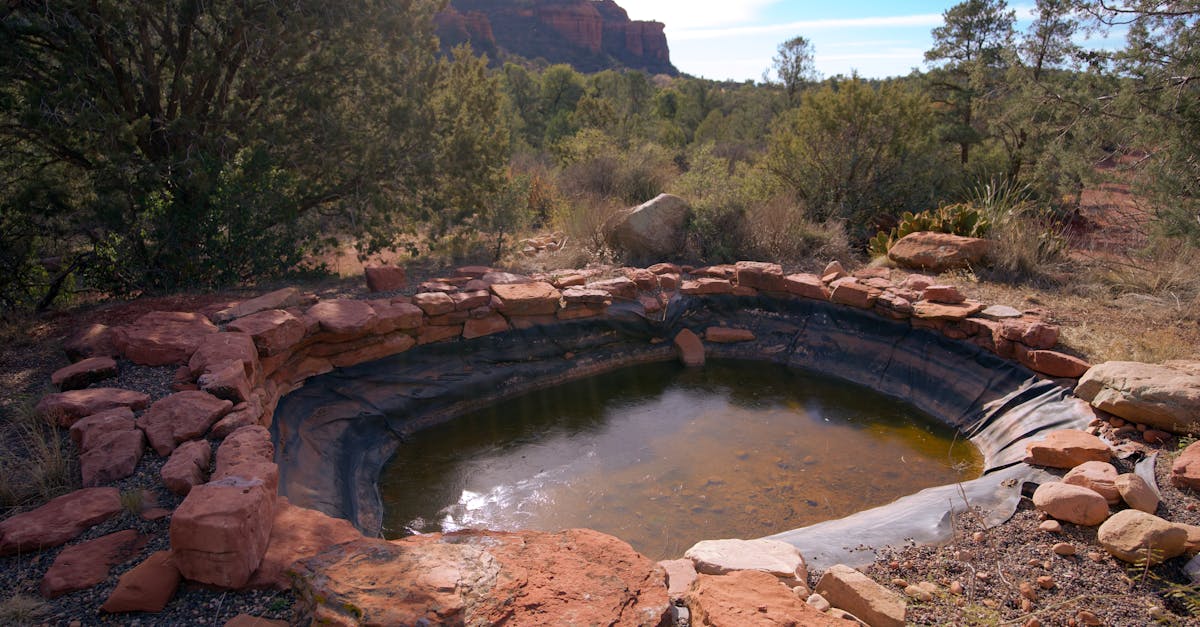
Photo by Strange Happenings via Pexels
Hot Springs Near Sedona
The landscape surrounding Sedona holds secrets that most travelers completely overlook. Beyond the famous vortexes and crimson mesas photographed by millions, geothermal springs bubble up through ancient fault lines beneath the Verde Valley, creating pools of mineral-rich water that have drawn humans to this region for thousands of years. When you plan hot springs near Sedona, you’re tapping into a tradition that predates recorded history, where Hohokam peoples once bathed in these waters long before Spanish explorers documented the thermal features in the sixteenth century. The region encompasses several distinct soaking locations, ranging from developed resort pools complete with temperature-controlled waters and full amenities to rugged, remote pools accessible only via rough desert roads requiring high-clearance vehicles and serious adventurous spirit. Understanding which experience matches your expectations shapes everything about your visit, from the gear you pack to the amount of time you should allocate for the journey itself.
The best time to visit hot springs near Sedona centers on the shoulder seasons of spring and fall, when daytime temperatures in the desert hover between comfortable sixties and pleasant eighties Fahrenheit. Summer months can make the approach unbearable, with ground temperatures exceeding one hundred degrees, though some soakers prize the contrast between sweltering air and steaming water. Winter visits offer solitude and the surreal experience of watching your vapor rise against snow-dusted Mogollon Rim in the distance, though overnight temperatures can plunge dramatically after sunset. The springs themselves maintain relatively constant temperatures year-round, typically ranging from one hundred to one hundred ten degrees Fahrenheit depending on the specific pool and its proximity to the source vent. Planning around these seasonal considerations ensures you maximize comfort during both the journey to reach your chosen springs and the soaking experience itself.
Access difficulty varies tremendously across the different hot springs near Sedona. Some locations sit just steps from maintained parking areas, with wooden decks, changing areas, and even on-site attendants during peak seasons. Others demand hikes of thirty minutes or longer through cactus-studded terrain, requiring navigation skills and serious physical conditioning. The most coveted remote springs involve stream crossings during snowmelt season, rocky terrain that punishes inadequate footwear, and the very real possibility of sharing your soak with only the ravens and rattlesnakes that call these canyons home. Most visitors discover that the extra effort required for the more challenging locations pays dividends in privacy and the profound sense of wilderness immersion that easier-access springs simply cannot match.
What to Expect
The water emerging from hot springs near Sedona carries a distinctive mineral signature shaped by millions of years of underground circulation through volcanic and sedimentary rock formations. Most Verde Valley springs contain elevated concentrations of sulfur, which produces that unmistakable “rotten egg” aroma that many first-time visitors notice immediately but soon learn to associate with genuine relaxation and muscle relief. The sulfur content varies significantly between different pools, with some locations running relatively mild while others emit pronounced geothermal fragrance that lingers on skin and swimwear for hours after departure. Beyond sulfur, these waters typically carry dissolved minerals including calcium, magnesium, potassium, and trace lithium, compounds that combine to create what regular soakers describe as a distinctly silky quality absent from standard swimming pools. Scientific studies conducted on similar geothermal systems suggest these mineral compositions may offer therapeutic benefits for arthritis, skin conditions, and respiratory ailments, though visitors should approach such claims with appropriate skepticism while still enjoying the genuine relaxation these waters provide.
Facilities at developed hot springs near Sedona range from rustic to resort-level luxurious. Some pools feature concrete or tile construction with chlorinated water maintained at safe bacterial levels, while others embrace the appeal of genuine raw geothermal pools where natural temperature and mineral content remain completely unaltered. Most developed locations provide changing areas, restrooms, and sometimes lockers or secure storage for valuables. The more remote springs offer little more than the pools themselves, requiring visitors to practice leave-no-trace principles and pack out everything they carry in. Hours of operation vary widely, with some facilities operating daily from early morning until late evening while others restrict access to specific windows or require advance reservations. Understanding these practical realities before departure prevents uncomfortable surprises upon arrival.
The visual landscape surrounding hot springs near Sedona ranks among the most dramatic in the American Southwest. Picture yourself lowering into steaming water while hundred-foot red rock walls rise nearly vertical from the canyon floor, their分层 shading from pale salmon at the base through deep brick-red at the summit, striated with white and cream bands of limestone deposited during ancient seas that once covered this region. Cottonwood trees and mesquite line the watercourses, their autumn colors creating extraordinary contrasts against the perpetual red of the surrounding stone. Wildlife abounds in these riparian corridors, with blue herons stalking the shallows, coyotes padding through at dusk, and the ever-present soar of red-tailed hawks overhead. The sensory combination of hot water against cool air, mineral fragrance, and overwhelming scenic beauty creates an experience that regular visitors describe as genuinely transformative.
Planning Your Visit
Reaching the various hot springs near Sedona requires understanding the regional geography and choosing appropriate transportation. From downtown Sedona, most springs lie thirty to ninety minutes driving time, with the Verde Valley Scenic Road providing access to the southern springs while roads leading toward Prescott and the Mingus Mountains access the northern thermal areas. The drive itself offers extraordinary scenery, winding through oak-studded canyons and past vineyards where Arizona’s emerging wine industry thrives in the same microclimate that feeds the geothermal springs. Most visitors find that renting a vehicle with adequate ground clearance proves essential for reaching the more remote locations, as even short unpaved sections can trap low-slung passenger cars. Timing your drive to avoid midday summer heat and weekend crowds transforms the experience, with early morning departures rewarding soakers with both cooler temperatures and the best chance of claiming their preferred pool.
Packing for hot springs near Sedona demands attention to both practical necessities and thoughtful preparation for the specific challenges of desert geothermal soaking. Essential items include sturdy water shoes that protect feet from hot rocks and provide traction on slippery surfaces, a wide-brimmed hat for the approach hike when sun exposure remains significant, and biodegradable soap for rinsing off before entering natural pools. Many experienced soakers bring two towels, one for sitting on wet surfaces and another for drying afterward, along with a waterproof bag for protecting electronics from the inevitable splashing. Hydration carries critical importance in the desert environment, with most experts recommending carrying at least two liters of water per person for any extended soaking excursion. Sun protection including high-SPF sunscreen and protective clothing remains essential even during winter visits when the sun’s intensity in Arizona often surprises unprepared visitors.
Safety considerations for hot springs near Sedona deserve serious attention from every visitor, regardless of experience level. The fundamental rule involves never soaking alone in remote locations, with the buddy system providing crucial backup in case of medical emergencies, slip-and-fall accidents, or unexpected complications. Heat exhaustion and heat stroke pose genuine risks when combining desert hiking with hot water immersion, making it essential to hydrate extensively before, during, and after your soak while watching carefully for symptoms like dizziness, nausea, or confusion. The mineral content that makes these springs appealing also makes them potentially hazardous for pregnant women, individuals with cardiovascular conditions, and anyone taking medications that affect temperature regulation. Entering pools gradually allows your body to acclimate to the temperature rather than shocking your system with immediate immersion. Night soaking at remote locations, while undeniably romantic under desert stars, dramatically increases risks from uneven terrain, wildlife encounters, and the impossibility of summoning help if something goes wrong.
Final Thoughts
The hot springs near Sedona represent one of the Arizona Desert Southwest’s most precious and fragile resources, a gift from geological processes that have operated for millions of years and continue shaping this landscape today. Every visitor carries responsibility for preserving water quality, respecting the environment, and ensuring these remarkable soaking opportunities remain available for future generations. The rising popularity of geothermal bathing, amplified by social media and travel publications, has brought both welcome appreciation and troubling impacts to once-obscure locations. By following leave-no-trace principles, respecting posted regulations, and treating fellow visitors and local communities with genuine courtesy, you become part of the solution rather than contributing to the problem.
Safety must remain paramount throughout your hot springs adventure, from the moment you leave your vehicle until you return safely home. No photograph, no moment of relaxation, no beautiful vista justifies taking unnecessary risks in remote desert environments far from emergency services. Inform someone of your plans, carry communication devices even in areas of spotty coverage, and trust your instincts when situations feel wrong or unsafe. The genuine transformative potential of soaking in ancient geothermal waters surrounded by some of America’s most spectacular scenery unfolds most fully when approached with wisdom, preparation, and appropriate respect for the power of both nature and the human body.