The Ultimate Arizona Hot Springs Map: Your Guide to Soaking in the Desert Southwest
Field-verified hot spring guides for Utah, Nevada, and Arizona.
- September 18, 2026
- 8 mins
- Hot Springs
- arizona pillar guide
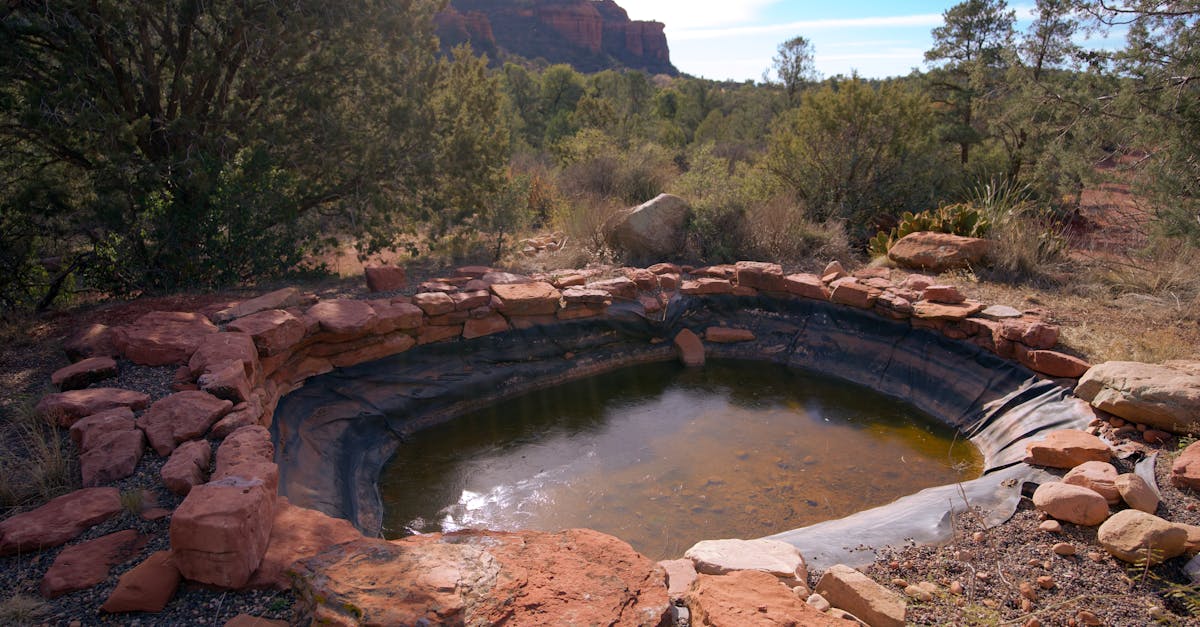
Photo by Strange Happenings via Pexels
The desert sun hangs low over the Vermilion Cliffs as steam rises from a hidden pool carved into ancient limestone. This is the contradiction that makes Arizona extraordinary: a landscape of extreme aridity that nonetheless cradles water hot enough to strip away every layer of modern stress. Whether you seek the social buzz of a developed resort or the solitary communion of a wilderness soak reached only by hiking through red rock canyons, a well-researched arizona hot springs map becomes your most essential piece of gear. The thermal springs scattered across this sun-baked terrain represent one of the Southwest’s most underappreciated natural treasures, and understanding where they are, how to reach them, and what to expect transforms a simple soak into an unforgettable journey through geology and history.
Interactive Arizona Hot Springs Map
The thermal waters of Arizona emerge from a complex underworld of volcanic activity, deep fault lines, and mineral-rich aquifers that have been collecting rainwater for millennia. An arizona hot springs map reveals a geography of heat that clusters primarily in the northern and western regions of the state, where the earth’s crust thins and geothermal gradients climb toward the surface.
The highest concentration of developed springs occupies the corridor between Sedona and Flagstaff, where underground chambers heat water to temperatures ranging from 95 to 112 degrees Fahrenheit depending on the season and specific spring. These waters carry significant dissolved minerals, particularly calcium, magnesium, and sulfate, creating what geologists classify as moderately mineralized thermal springs. The mineral content varies considerably between locations, with some springs tasting noticeably of iron while others carry a distinctive sulfuric tang that announces their presence before you even dip a toe.
Access difficulty across Arizona’s hot springs ranges from the trivial to the genuinely demanding. The most accessible options, including several developed facilities near Camp Verde and the springs accessible from Interstate 17 corridors, require nothing more than a short walk from paved parking areas. These locations often feature constructed pools, changing facilities, and in some cases, admission fees that support maintenance and amenities. The intermediate tier of springs demands moderate hiking, typically ranging from half a mile to three miles each way, often along trail systems that traverse dramatic canyon country or Pinyon-juniper uplands. The rewards for this effort are substantial: pools surrounded by soaring cliff walls, natural rock formations that serve as natural thermal containers, and the profound silence that only wilderness can provide.
For the truly adventurous, a handful of Arizona’s thermal springs remain accessible only to those willing to navigate cross-country terrain, wade through seasonal creeks, or undertake multi-day expeditions into roadless backcountry. These remote soaks, including hidden pools in the Grand Canyon region and thermal springs nestled in the raw desert of the western Arizona plateau country, offer experiences that belong in any serious soaker’s lifetime goals. The best time to visit any of Arizona’s hot springs depends entirely on your target location and personal tolerance for desert temperatures. Summer months, while technically offering the longest hours of daylight, can make the approach hike unbearably hot while simultaneously cooling the soaking experience to near lukewarm. The optimal window for most northern Arizona springs runs from late April through early June and again from mid-September through October, when daytime temperatures hover in the comfortable 70s and 80s and the water feels perfectly therapeutic against the desert air.
What to Expect at Arizona’s Thermal Springs
The water emerging from Arizona’s hot springs carries a geological signature millions of years in the making. Deep beneath the Colorado Plateau, groundwater percolates through layers of ancient seabed sediment, dissolving calcium carbonate from limestone formations while picking up trace elements including lithium, barium, and radioactive radon in varying concentrations depending on local geology. The temperatures you encounter will vary by location and season, but most natural springs maintain output temperatures between 100 and 108 degrees Fahrenheit, cooling as they flow into shallow pooling areas or mixing with cooler ambient water.
Upon arrival at a typical Arizona hot spring, you will first notice the smell. Sulfur compounds released from the heated water create that distinctive rotten-egg aroma that some visitors find off-putting but which regular soakers associate with genuine thermal activity rather than artificially heated pools. The scent dissipates quickly once you’re submerged, replaced by the mineral taste on your lips and the peculiar smoothness that softened water imparts to your skin. Many regular visitors report that their skin feels noticeably softer for hours after a genuine mineral spring soak, a phenomenon attributed to the absorption of silica and other trace elements.
Facilities vary so dramatically across Arizona’s hot spring destinations that preparing expectations proves difficult. At developed resort locations like those in the Verde Valley, you will find concrete or tile-lined pools with mechanical temperature controls, private changing areas, towel service, and often spa treatments available by appointment. These locations operate year-round and typically charge admission fees ranging from twenty to fifty dollars per visitor. The experience is comfortable, predictable, and accessible to visitors of all physical abilities.
Mid-tier springs accessed via established trails usually feature more natural surroundings with minimal human modification. You might encounter rock-walled pools constructed by previous visitors to concentrate thermal flow, wooden platforms for changing privacy, and perhaps a rustic pit toilet or information kiosk at the trailhead. These locations require responsible use practices and pack-out policies for all waste. The soaking containers themselves range from natural bedrock depressions to pools dammed with carefully placed stones, and their condition can vary significantly depending on recent visitor maintenance.
Remote wilderness springs offer the most raw and authentic experience but demand the most preparation and self-reliance. You may find nothing more than a flowing seep emerging from a canyon wall, requiring you to create your own pooling area in the sand or gravel of a streambed. These springs lack any facilities whatsoever, meaning you must carry everything in and everything out, including enough water for hydration since soaking in thermal springs increases rather than satisfies thirst.
Planning Your Visit to Arizona’s Hot Springs
Reaching Arizona’s hot springs requires transportation appropriate to your destination. Many of the most popular springs, particularly those clustered around Sedona, Prescott, and the Verde Valley, lie within an hour’s drive of Phoenix and can be accessed via standard passenger vehicles with standard ground clearance. Parking areas at trailheads can fill quickly on weekends during peak season, so arriving before 9 AM significantly improves your experience. The drive from Phoenix to the nearest developed springs takes approximately ninety minutes via Interstate 17 north to State Route 179 or various county roads that wind through the spectacular red rock country surrounding Sedona.
For backcountry springs, especially those in the Grand Canyon region, the approaches require high-clearance vehicles, often with four-wheel-drive capability, and sometimes multi-day hiking expeditions or river journeys. The trailheads accessing intermediate springs frequently involve dirt roads that become impassable after rain events, so checking current road conditions with local land management agencies before departure proves essential. The Bureau of Land Management, National Park Service, and Arizona State Parks manage different spring locations under varying regulations, and understanding which agency oversees your destination informs you about permitted uses, camping policies, and any access restrictions currently in effect.
What you bring to a hot spring soak matters enormously for your comfort and safety. The essential list includes water, far more than you think you need, because thermal springs induce significant perspiration while paradoxically failing to hydrate your body. Most soakers require at least a liter of water per hour of exposure, more if temperatures are extreme. Sturdy footwear appropriate for the approach trail protects your feet from rocky terrain and potentially scalding ground near spring outputs. A quick-dry towel, webbing or cotton strap for hanging wet items, biodegradable soap for post-soak cleaning, and warm layers for the walk out all contribute to a positive experience. Many experienced soakers also carry a small mirror for checking your feet and ankles before dressing, since ticks and cactus spines appreciate the same opportunities to hitch rides that humans do.
Safety considerations in the desert soaking environment deserve serious attention. The combination of extreme daytime temperatures, direct sun exposure, and immersion in hot water creates genuine risk for heat exhaustion and thermal-related illness. Never soak alone, and always inform someone of your plans and expected return time. Acclimatize gradually to thermal soaking by limiting initial exposures to fifteen or twenty minutes and progressively extending time as your body adjusts. The mineral content that makes these springs therapeutic can also pose risks for pregnant women, individuals with cardiovascular conditions, and those with compromised immune systems, so consulting with a healthcare provider before undertaking aggressive soaking schedules makes good sense. Finally, the water itself, while generally safe due to its high temperature, may harbor environmental contaminants depending on upstream land uses, so avoiding immersion with open wounds and showering thoroughly after extended soaks protects your skin and overall health.
Arizona’s hot springs await those willing to seek them out, scattered across a landscape of startling beauty where water and stone have collaborated for millennia to create places of profound restoration. Whether you choose the convenience of a developed resort soak or the challenge of a wilderness pilgrimage, the thermal waters of the Grand Canyon State offer experiences that no other destination can replicate. Respect the resource, prepare adequately, and surrender to the ancient heat rising from the depths of the Colorado Plateau.